



Exploring High end SMT Core Equipment: Process Logic and Capacity Revolution of Dual track Vacuum Reflow Soldering
Time:2026-08-18
Views:137
In the field of modern electronics manufacturing, with the rise of high-end industries such as new-energy vehicles, aerospace, 5G communications, and high-power energy storage, the integration density and power density of electronic components continue to increase. This imposes unprecedented stringent requirements on soldering quality, a core process in SMT (Surface Mount Technology). Against this backdrop, dual-track vacuum reflow soldering technology has emerged as a key enabler—ingeniously combining "vacuum debubbling" with "dual-track parallel transport"—to break through high-end manufacturing bottlenecks and achieve a dual leap in both production capacity and quality.
The core breakthrough of dual-track vacuum reflow soldering lies in the introduction of a high-vacuum environment. When the PCB boards reach the molten state in the reflow zone, the equipment instantly evacuates the chamber to a high vacuum (e.g., ultimate vacuum level reaching 5–10 mbar). According to physical principles, under negative pressure, the volume of bubbles inside the solder joint expands rapidly—by dozens of times. The enormous pressure differential between the inside and outside of the joint forces the trapped gases to escape smoothly. Measured data shows that this process can dramatically reduce solder joint void rates from over 5% in conventional processes to below 1%, and even to as low as 0.02%, fundamentally eliminating fatal defects such as cold joints and porosity, ensuring the absolute reliability of high-reliability products.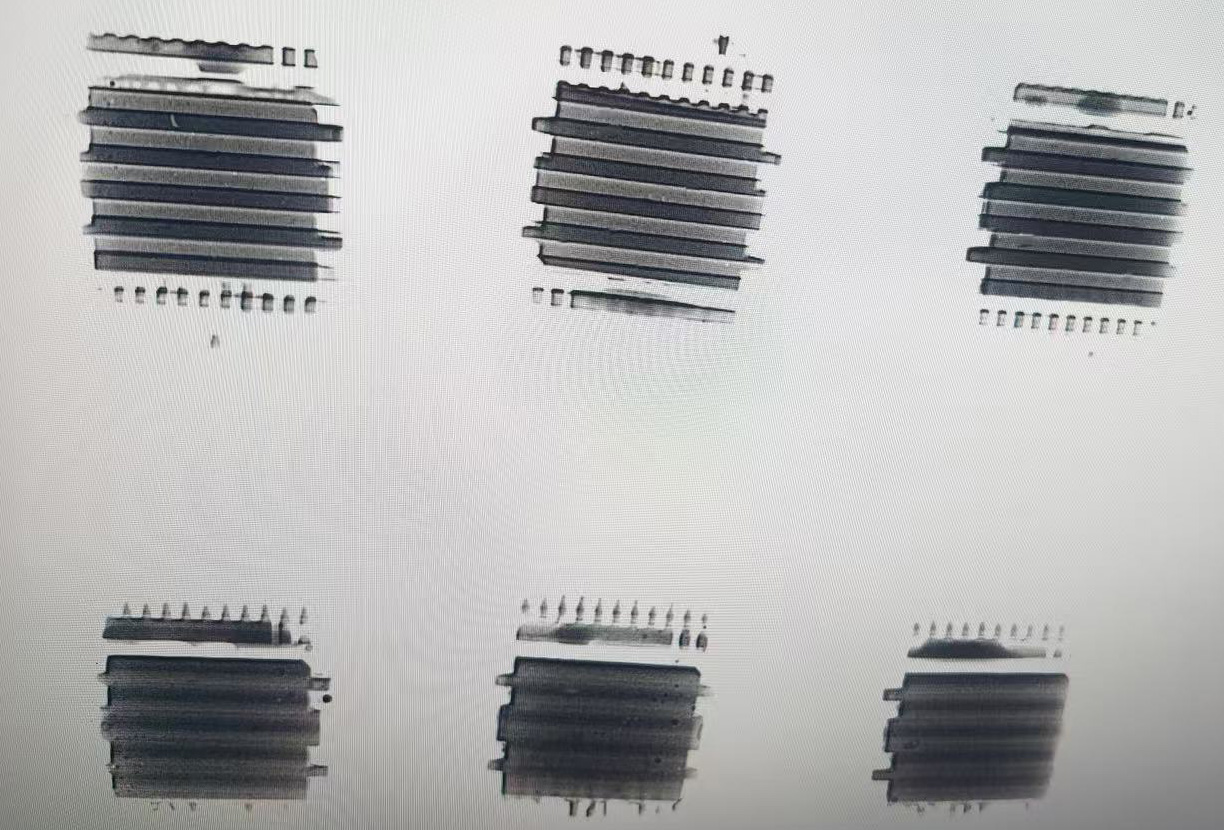
Dual-track vacuum reflow soldering, through modular design, integrates two independently adjustable transport tracks within a single furnace body (e.g., the vacuum chamber can be enlarged to 400×650 mm). This design offers tremendous production flexibility:
1. Synchronous/Asynchronous Transport: The two tracks can be set to the same or different transport speeds depending on product dimensions and process requirements, supporting differentiated flexible production on dual lines.
2. Seamless Throughput: With intelligent software control and safety mechanisms such as cylinder stops, the equipment enables continuous and smooth board processing. For example, operating on a one-minute cycle, both tracks enter the vacuum chamber simultaneously, avoiding load imbalances or board jams caused by frequent starts and stops.
3. Doubled Capacity: While maintaining the same vacuum debubbling time, dual-track parallel operation directly doubles the theoretical equipment throughput, perfectly resolving the industry pain point of high-end equipment being "good but slow."
This millisecond-level timing coordination is critical: if decompression is too rapid, voids in the liquid solder expand violently and burst, causing "solder ball splashing" that leads to short circuits; while turbulent nitrogen backfill can displace tiny components. Modern equipment employs porous diffuser plates and progressive valve-opening logic to ensure both effective debubbling and absolute process stability.
However, maintenance of vacuum equipment is equally important. The flux in solder paste experiences a sharp drop in boiling point under high vacuum and high temperature, making it prone to vaporization and condensation in the vacuum pump intake lines. Therefore, modern high-end systems are equipped with multi-stage condensation traps and pull-out recovery systems, allowing carbon deposit cleaning without lifting the upper furnace. This significantly extends maintenance intervals and prevents vacuum drift caused by flux residue, ensuring stable 24/7 full-load operation.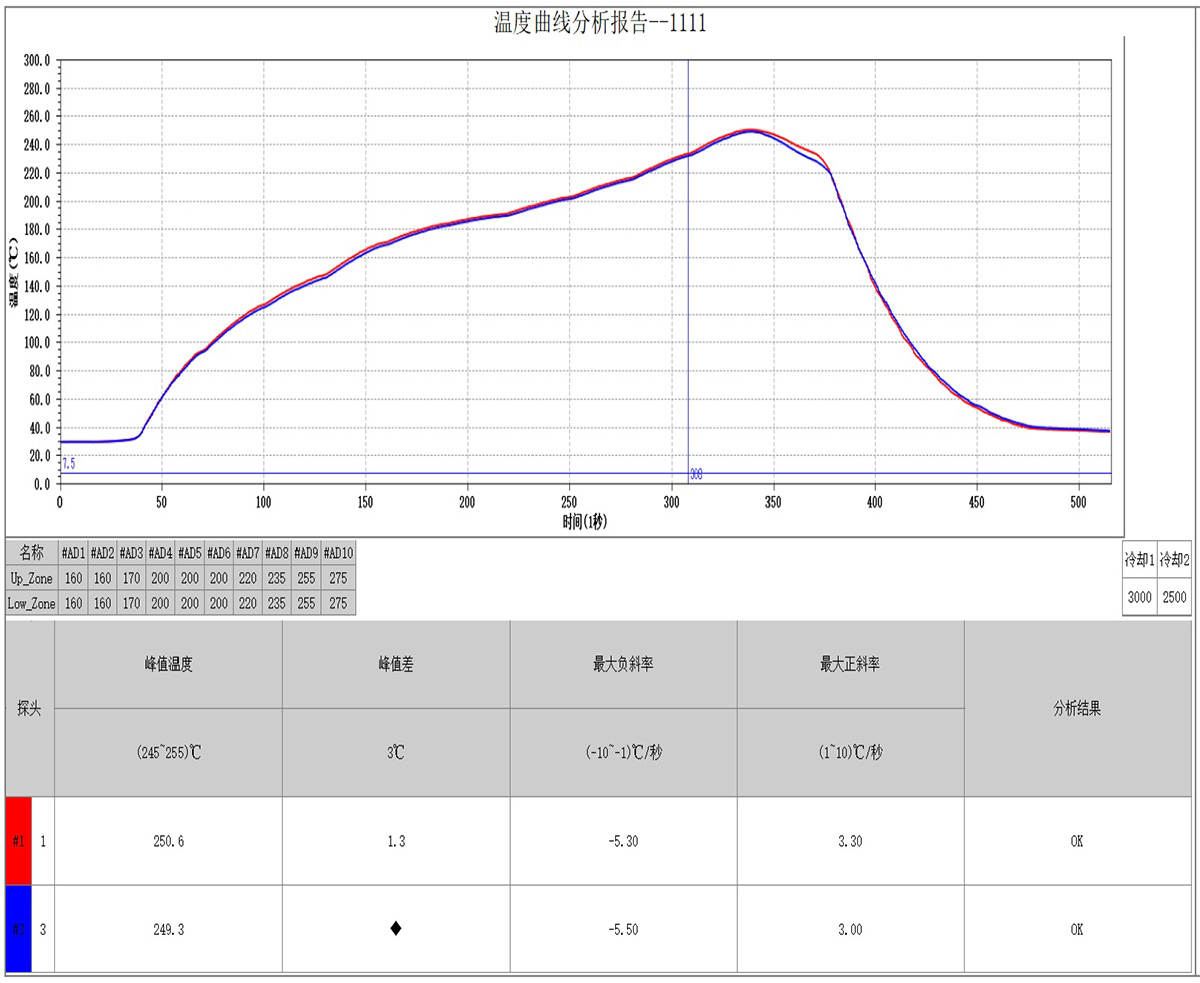
Addressing the Core Pain Point: Why Is a Vacuum Environment Necessary?
In traditional air-atmosphere reflow soldering, due to the ambient pressure, the air trapped within the molten solder paste and the volatile gases released by flux cannot fully escape. Upon cooling and solidification, these gases form micron-sized voids inside the solder joints. These voids not only weaken the mechanical tensile strength of the joint but also significantly increase thermal resistance, causing localized overheating in high-current or high-power devices (such as IGBT modules and BGA chips) during operation, ultimately leading to product failure.The core breakthrough of dual-track vacuum reflow soldering lies in the introduction of a high-vacuum environment. When the PCB boards reach the molten state in the reflow zone, the equipment instantly evacuates the chamber to a high vacuum (e.g., ultimate vacuum level reaching 5–10 mbar). According to physical principles, under negative pressure, the volume of bubbles inside the solder joint expands rapidly—by dozens of times. The enormous pressure differential between the inside and outside of the joint forces the trapped gases to escape smoothly. Measured data shows that this process can dramatically reduce solder joint void rates from over 5% in conventional processes to below 1%, and even to as low as 0.02%, fundamentally eliminating fatal defects such as cold joints and porosity, ensuring the absolute reliability of high-reliability products.
Capacity Revolution: The Efficiency Leap of Dual-Track Parallel Processing
If vacuum technology is the guarantor of quality, then the dual-track design is the accelerator of production capacity. While traditional single-track vacuum reflow soldering delivers excellent quality, its production cycle time (UPH) is often constrained by the "evacuation–holding–venting" cycle of the vacuum chamber, making it a bottleneck in the entire SMT production line.Dual-track vacuum reflow soldering, through modular design, integrates two independently adjustable transport tracks within a single furnace body (e.g., the vacuum chamber can be enlarged to 400×650 mm). This design offers tremendous production flexibility:
1. Synchronous/Asynchronous Transport: The two tracks can be set to the same or different transport speeds depending on product dimensions and process requirements, supporting differentiated flexible production on dual lines.
2. Seamless Throughput: With intelligent software control and safety mechanisms such as cylinder stops, the equipment enables continuous and smooth board processing. For example, operating on a one-minute cycle, both tracks enter the vacuum chamber simultaneously, avoiding load imbalances or board jams caused by frequent starts and stops.
3. Doubled Capacity: While maintaining the same vacuum debubbling time, dual-track parallel operation directly doubles the theoretical equipment throughput, perfectly resolving the industry pain point of high-end equipment being "good but slow."
Process Advancement: Precise Timing Coordination of Nitrogen Protection and Vacuum
To further inhibit oxidation of metal surfaces such as copper and nickel at high temperatures, advanced dual-track vacuum reflow systems typically integrate a high-purity nitrogen (N₂) protection system. During the preheat and soak stages, the chamber is continuously purged with nitrogen to maintain extremely low oxygen levels. At the end of the reflow zone, the equipment uses closed-loop PID algorithms to precisely control the vacuum valve, executing evacuation and nitrogen backfill at an extremely smooth rate (e.g., 5–15 Pa/s).This millisecond-level timing coordination is critical: if decompression is too rapid, voids in the liquid solder expand violently and burst, causing "solder ball splashing" that leads to short circuits; while turbulent nitrogen backfill can displace tiny components. Modern equipment employs porous diffuser plates and progressive valve-opening logic to ensure both effective debubbling and absolute process stability.
Balancing Temperature Profiling and Routine Maintenance
The reflow temperature profile is the soul of soldering quality. Dual-track vacuum reflow systems are typically equipped with multiple independently controlled heating zones (e.g., twelve zones) using PID control, enabling precise profiling of the ideal "preheat–soak–reflow–rapid cooling" curve, ensuring uniform thermal gradients for thick copper boards or FPC flexible substrates.However, maintenance of vacuum equipment is equally important. The flux in solder paste experiences a sharp drop in boiling point under high vacuum and high temperature, making it prone to vaporization and condensation in the vacuum pump intake lines. Therefore, modern high-end systems are equipped with multi-stage condensation traps and pull-out recovery systems, allowing carbon deposit cleaning without lifting the upper furnace. This significantly extends maintenance intervals and prevents vacuum drift caused by flux residue, ensuring stable 24/7 full-load operation.
Conclusion
Dual-track vacuum reflow soldering is not a simple functional superposition, but a profound re-engineering of the physical soldering process. It reshapes the microstructure of solder joints through vacuum technology and breaks the capacity constraints of high-end manufacturing with its dual-track design. For electronics manufacturers committed to improving product yield, shortening delivery cycles, and advancing toward intelligent high-end manufacturing, adopting this technology is not just an equipment upgrade—it is a comprehensive leap in core competitiveness.